
Smart sensors are no longer a futuristic upgrade—they’re becoming one of the most profitable investments modern companies can make. Whether it’s a manufacturing plant, retail warehouse, hotel, or logistics operation, businesses are using sensors to monitor machines, track inventory, manage energy, and collect real-time data.
What makes smart sensors truly powerful is their ability to turn simple readings into actual savings and measurable ROI. From cutting energy bills to reducing downtime and improving safety, companies are seeing real financial benefits within months.
In this blog, we’ll break down how smart sensors directly impact profitability and the numbers behind their success.
How Smart Sensors Turn Data Into Money
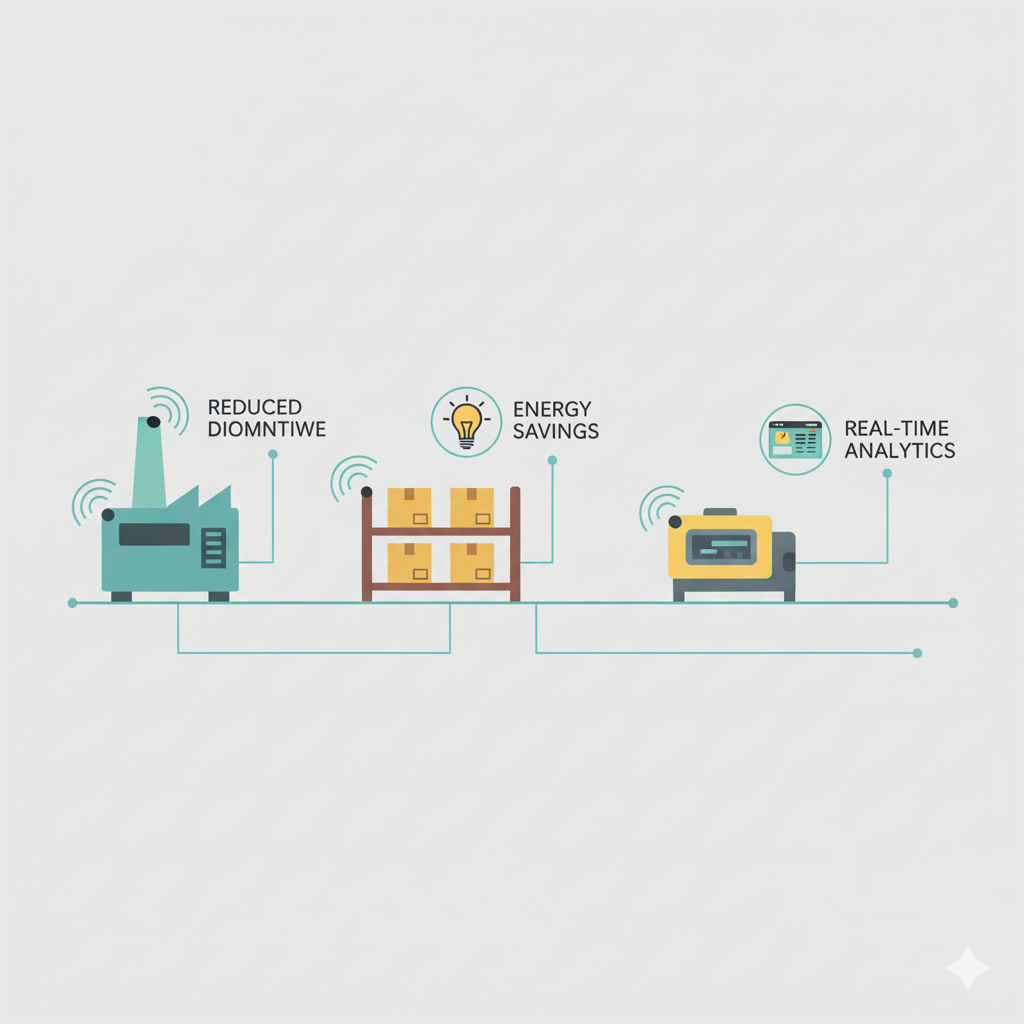
Smart sensors continuously capture information—temperature, pressure, movement, energy usage, inventory levels, machine vibration, and more. This information goes straight into AI or IoT platforms that convert raw data into insights.
Instead of relying on guesswork, companies get actionable information:
- Which machine is about to fail
- Which process is wasting energy
- Which stock is about to expire
- Which area of the warehouse is underperforming
This real-time transparency helps companies prevent loss, make better decisions, and save money daily.
The Real Financial Gains Companies Are Seeing
Businesses across industries are reporting measurable ROI within months of deploying smart sensors. The numbers are clear—sensors directly cut costs, improve efficiency, and boost output.
Here’s how the savings actually happen:
a) 20–40% reduction in energy costs
Sensors track energy usage across machines, lights, HVAC systems, and equipment. This helps identify waste and optimize consumption automatically. Companies often see energy savings of 20–40% in the first year alone.
b) Up to 50% fewer machine breakdowns
With vibration and temperature sensors alerting teams early, companies avoid sudden failures and expensive shutdowns. This leads to fewer repair expenses and more stable production schedules.
c) 15–30% increase in workforce productivity
Sensors automate monitoring tasks, reduce manual inspection time, and streamline workflows. Employees can focus on skilled work instead of repetitive checks, leading to faster and more efficient operations.
d) Reduction in product loss and spoilage
In industries like food, pharma, and retail, temperature and humidity sensors ensure proper storage conditions. This directly prevents spoiled inventory and saves companies thousands each month.
e) Stronger compliance and fewer penalties
Smart sensors automatically track safety, environmental conditions, and machine usage. This helps companies meet compliance regulations effortlessly, avoiding costly penalties and audit issues.
Why Smart Sensors Deliver Exceptional ROI
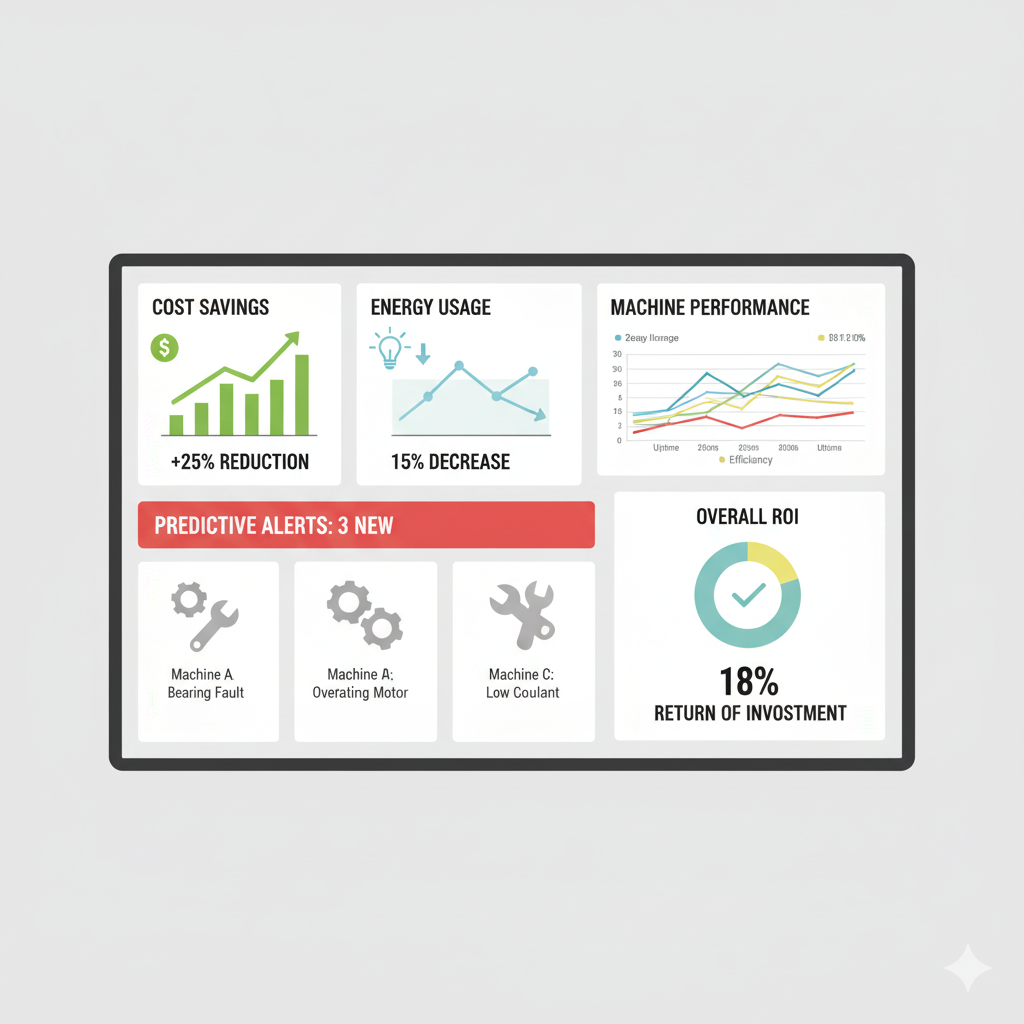
a) Low installation cost with high returns
Modern IoT sensors are affordable and quick to install, often without major infrastructure changes. Businesses start seeing operational improvements within weeks, making the ROI timeline very short. Even small companies can implement them without heavy investment.
b) Continuous insights for long-term savings
Unlike one-time audits or manual checks, sensors operate 24/7. They constantly detect inefficiencies, allowing companies to fix issues early. The longer sensors run, the more valuable data they generate—and the greater the savings.
c) Data-driven decision making
Sensors eliminate guesswork. Managers receive accurate, real-time information that helps them make smarter decisions about staffing, production, inventory, and machine usage. Better decisions directly translate to lower operational costs and higher profitability.
FAQ’s
1. How fast can a company see ROI after installing smart sensors?
Most businesses start noticing improvements within the first 3–6 months. Energy savings, fewer breakdowns, and better workflow efficiency quickly add up, making sensors one of the fastest ROI technologies in modern operations.
2. Are smart sensors expensive to maintain?
Not at all. Most sensors require minimal upkeep, and many are battery-powered with long life cycles. Maintenance typically involves simple software updates or occasional replacements, making them cost-effective for long-term use.